

Elite Landscape & Mini Excavation

Blogs

How to Turn an Underused Backyard Into a Functional Outdoor Living Space
How to Turn an Underused Backyard Into a Functional Outdoor Living Space

A backyard can offer much more than a lawn and a place to store the barbecue. With the right planning, even an awkward, sloped or underused yard can become a comfortable outdoor living space that feels like an extension of your home.


For homeowners in Northwest Washington, creating a functional backyard also means thinking beyond appearance. Rainfall, drainage, soil conditions and changing seasons can all affect how well an outdoor space performs throughout the year.


Before starting your next backyard project, here are some important things to consider.


Start With How You Want to Use Your Backyard

One of the biggest mistakes homeowners can make is choosing landscaping features before deciding how they actually want to use the space.


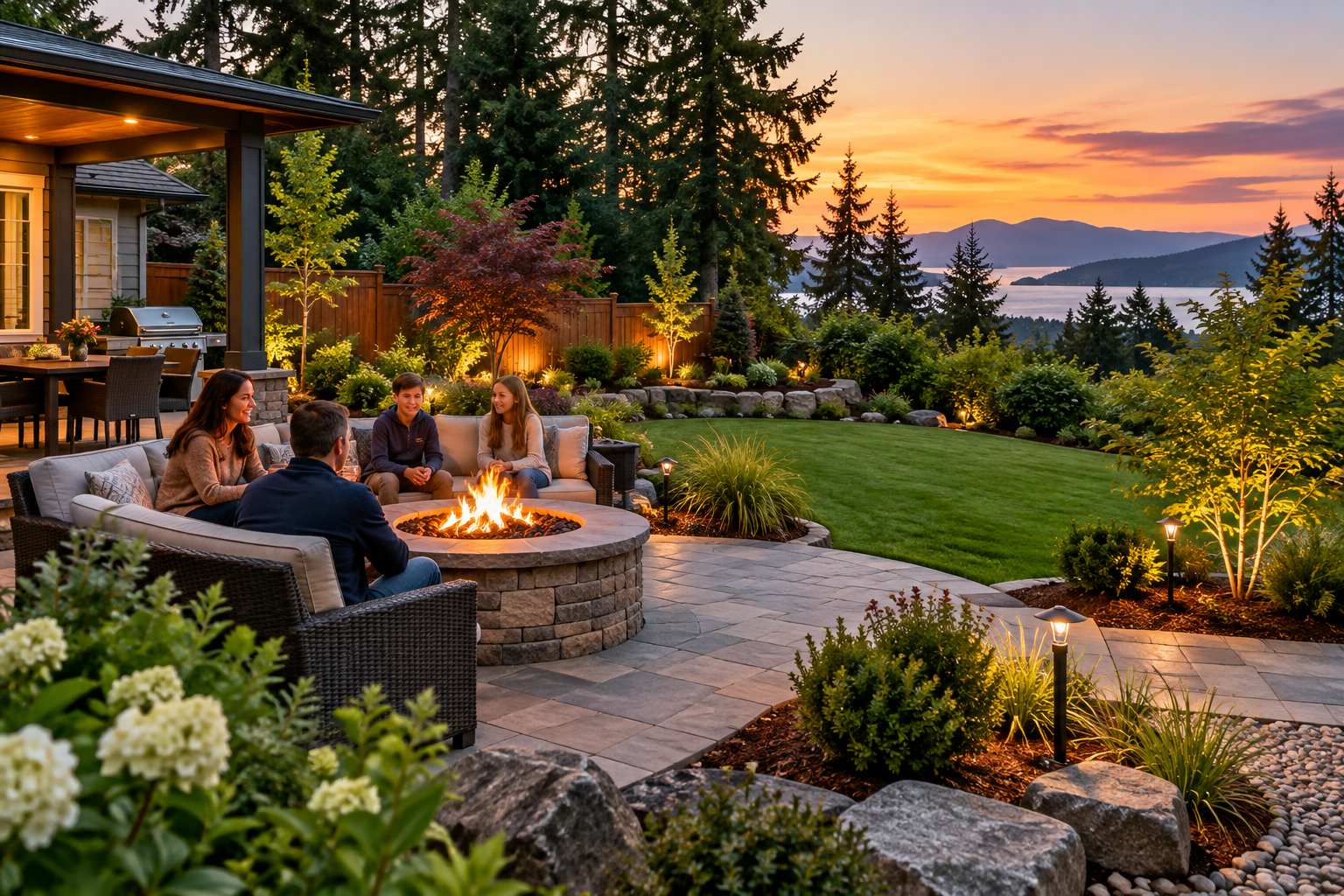
Think about what would make you spend more time outside. Do you want an area for outdoor dining? A fire pit where friends and family can gather? More room for children or pets? A quiet garden area? Perhaps you simply want a level patio where you can relax during the summer.


Many yards can accommodate several activities by creating separate outdoor “zones.”


For example, a backyard might include a patio near the house, a lawn for recreation and a landscaped border that creates privacy around the property.

Once you understand how the yard will be used, it becomes much easier to determine where landscaping, hardscaping and other improvements should go.


Pay Attention to What Happens When It Rains
Drainage Can Determine Whether an Outdoor Space Works

A beautiful outdoor living area isn’t very useful if portions of the yard turn muddy or collect standing water whenever it rains.


This is especially important for homeowners throughout Northwest Washington, where wet weather can reveal problems that aren’t always obvious during summer.


Before installing patios, walkways, planting beds or other features, watch how water moves across your property during heavy rain.

Low spots, compacted soil, poorly directed downspouts and improper grading can all contribute to drainage problems.


Depending on the property, solutions could involve adjusting the grade, installing drainage systems or using professional excavation services to properly prepare an area before additional landscaping begins.


Correcting these issues before building an outdoor living space can help prevent much larger problems later.


Don’t Ignore the Grade of Your Property
A Sloped Yard May Have More Potential Than You Think

Homeowners sometimes look at a sloped backyard and assume there isn’t much they can do with it.


In reality, changes in elevation can create interesting opportunities.


A professionally planned landscape may use different elevations to create separate areas for seating, gardens, lawns or entertaining. Steps, pathways and retaining features can help connect these spaces while making the yard easier to navigate.


However, changing the grade of a property shouldn’t be approached casually.


Moving soil can affect where water travels, and improper grading may direct water toward the home or neighboring properties. That’s why excavation, drainage and landscaping often need to be considered together when significantly changing a yard.


Think About Privacy Before Everything Is Finished

Privacy can dramatically change how comfortable an outdoor living space feels.


Trees, shrubs and landscape beds can provide natural screening while adding texture and color to the property. Strategic plant placement can also help define different sections of the yard without making them feel completely separated.


Before planting, consider how large trees and shrubs will become at maturity.


A plant that looks perfect when it is first installed could eventually block a walkway, crowd the house or require frequent trimming if it isn’t given enough room.


Thoughtful landscaping considers what your property will look like several years from now—not just the day the project is completed.


Create Outdoor Spaces That Are Easy to Maintain

An elaborate backyard isn’t necessarily a better backyard.


Consider how much time you realistically want to spend maintaining your outdoor space.


Large lawns require regular mowing and edging. Certain plants need seasonal pruning. Trees drop leaves and debris. Patios and walkways may occasionally require cleaning.


Combining lawn areas with landscape beds, hardscaping and carefully selected plants can reduce maintenance while still creating an attractive property.


Professional lawn care can also help keep grass healthy and maintained while allowing homeowners to spend more time enjoying their yards rather than constantly working on them.


Plan the Entire Yard Before Building One Piece


You don’t necessarily need to complete your backyard transformation all at once.


You should, however, have a plan.


For example, installing an expensive patio and later discovering that heavy equipment needs to cross it to correct a drainage problem isn’t ideal.


Think about grading, drainage, excavation, utilities, patios, walkways, lawns, irrigation and planting areas as parts of one larger project.

The Washington State University Extension also provides useful information about gardening, plants and sustainable landscape practices for Washington homeowners.


Planning the entire property first allows projects to be completed in stages without earlier improvements getting in the way of future work.


Build an Outdoor Living Space Around Your Property

The best outdoor spaces aren’t necessarily the largest or most expensive. They’re the ones homeowners actually use.


Whether you’re considering a simple landscape refresh or a larger backyard transformation involving grading and excavation, start by understanding the property itself.


Elite Landscape & Excavation helps homeowners throughout Bellingham and surrounding Northwest Washington communities improve their properties with landscaping, lawn care and excavation services.


If you have an outdoor space that isn’t living up to its potential, contact Elite Landscape & Excavation to discuss your ideas and request a free quote.

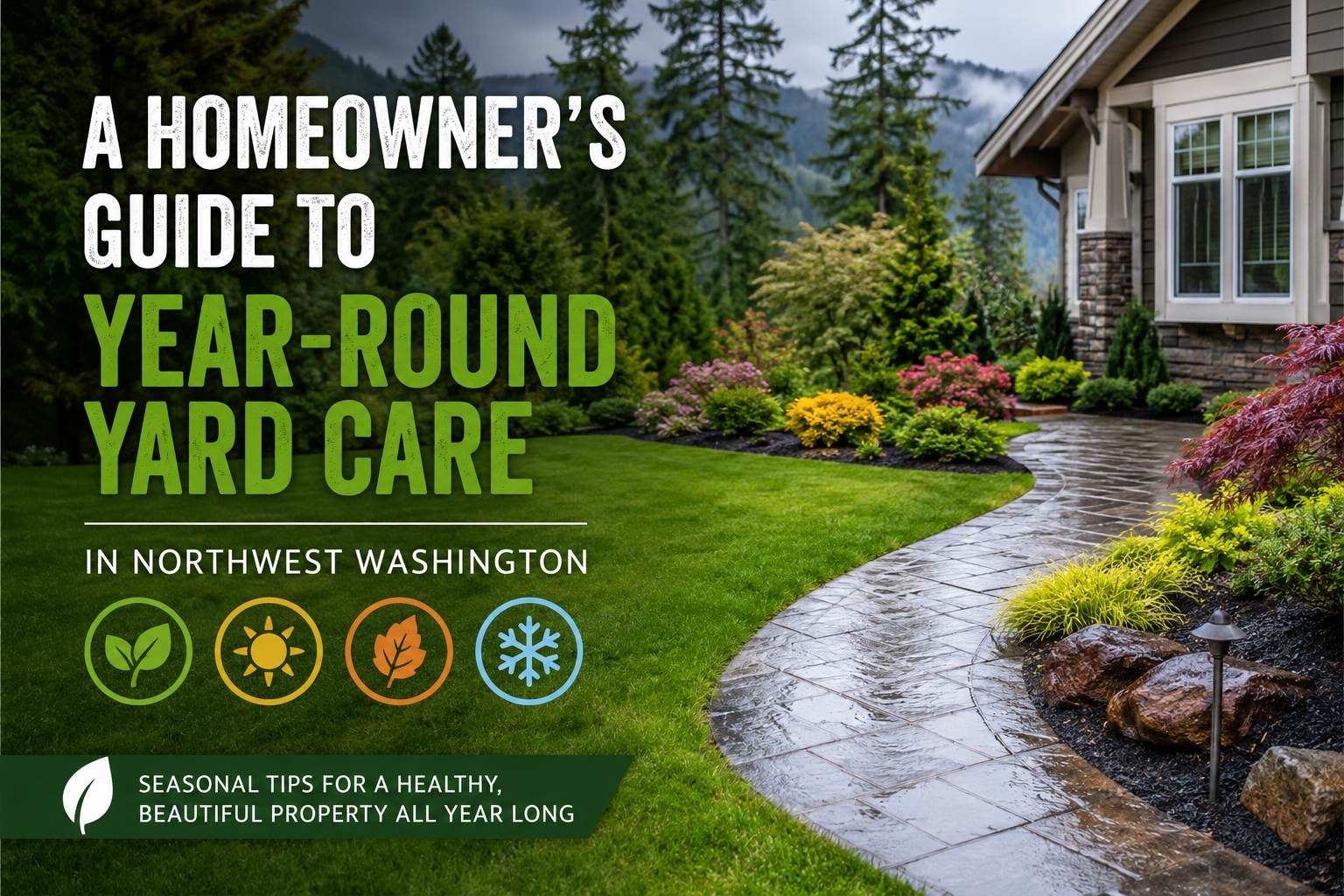
A Homeowner’s Guide to Year-Round Yard Care in Northwest Washington

Homeowner’s Guide to Year-Round Yard Care in Northwest Washington

Living in Northwest Washington means enjoying some of the most beautiful natural scenery in the Pacific Northwest. The same climate that keeps Whatcom and Skagit Counties green, however, can also create challenges for homeowners trying to maintain their lawns and landscapes.

Frequent rain, cool winters, rapid spring growth, dry stretches during summer, falling leaves, moss, and drainage problems can all affect the appearance and health of your property. Successful yard maintenance isn’t simply about mowing the grass when it gets tall. It requires adjusting your approach throughout the year.


For homeowners in communities such as Bellingham, Ferndale, Lynden, Blaine, Custer, Everson, and Sedro-Woolley, understanding what your property needs during each season can make maintaining a beautiful outdoor space much easier.


Spring and Summer: Preparing Your Landscape for the Growing Season

Spring is when Northwest Washington landscapes seem to come alive almost overnight. As temperatures begin to rise and daylight hours increase, grass, shrubs, weeds, and trees can enter periods of rapid growth.


One of the first steps homeowners should take is cleaning up what winter left behind. Fallen branches, leaves, dead plant material, and other debris can accumulate throughout the colder months. Removing this material doesn’t just improve the appearance of the property. It also makes it easier to inspect lawns, planting areas, and drainage systems for potential problems.


Give Your Lawn the Attention It Needs

Spring is an excellent time to evaluate the overall condition of your lawn. Look for thin areas, excessive moss, weeds, standing water, and sections where the grass doesn’t appear to be growing as well as the rest.


Regular mowing becomes increasingly important as grass begins growing faster. Rather than allowing the lawn to become extremely tall before cutting it, maintaining a consistent mowing schedule can help keep it looking clean and healthy.


Homeowners should also pay attention to how water moves across their property. Northwest Washington receives significant rainfall, and poorly draining areas can become muddy or remain saturated long after a storm has passed.


Depending on the property, correcting drainage problems could involve improving grading, installing drainage solutions, or using excavation equipment to reshape portions of the landscape.


As summer arrives, the focus shifts toward maintaining everything established during spring.


Although Northwest Washington is known for rain, summers can become surprisingly dry. Lawns and landscape plants may require additional watering during extended periods without rainfall. Deep, less frequent watering is generally more beneficial than repeatedly applying small amounts of water because it encourages roots to grow deeper into the soil.


Summer is also a good time to stay ahead of weeds, trim overgrown vegetation, maintain landscape beds, and keep walkways and outdoor areas clear.


Fall and Winter: Protecting Your Property During the Wet Season

Fall is one of the most important seasons for property maintenance in the Pacific Northwest.


Leaves can quickly accumulate across lawns, driveways, roofs, and gutters. While a small amount of leaf material can break down naturally, thick layers left on a lawn can block sunlight and trap moisture against the grass.


Removing leaves and other debris helps prepare the lawn for the colder months ahead.


Don’t Forget About Drainage and Property Cleanup

Drainage becomes particularly important as the rainy season approaches. Gutters, downspouts, drainage channels, and other systems should be kept clear so water can move away from structures and landscaped areas.


Homeowners should also watch for low spots where water regularly collects.


A puddle immediately after heavy rainfall isn’t necessarily unusual. Water that remains for long periods, repeatedly floods the same portion of a yard, or flows toward a home’s foundation deserves closer attention.


This is where landscaping and excavation often overlap. A property may need more than routine lawn maintenance if the underlying grade is contributing to drainage problems.


Fall is also an ideal time to clean up branches, unwanted vegetation, yard waste, and other accumulated debris. Taking care of these projects before winter can make spring maintenance considerably easier.


During winter, lawn growth typically slows, but that doesn’t mean the property should be completely ignored. Northwest Washington’s wet conditions can encourage moss growth and expose drainage problems that aren’t as noticeable during the summer.


Heavy rain and wind can also bring down branches and scatter debris throughout a property. Periodic cleanup helps prevent a manageable amount of debris from becoming a much larger spring project.


Homeowners can use the slower winter months to plan future landscaping projects as well. New planting areas, grading improvements, excavation projects, lawn renovations, and other property upgrades can all be considered before the next growing season arrives.


The key to maintaining a great-looking Northwest Washington property is consistency.


Instead of waiting until the yard becomes severely overgrown or a small drainage issue turns into a larger problem, regular maintenance allows homeowners to address concerns as they appear.


Elite Landscape & Mini Excavation provides professional landscaping, lawn care, property cleanup, and excavation services throughout Whatcom and Skagit Counties. Whether you need help keeping your lawn maintained, cleaning up an overgrown property, improving your landscape, or tackling a project that requires excavation equipment, having the right equipment and experience can make a significant difference.


A beautiful yard doesn’t happen during just one season. With the right approach, your Northwest Washington property can remain attractive, functional, and ready for whatever the Pacific Northwest weather brings throughout the year.